
How to Troubleshoot Electric Problems with Water Heater
Water heaters are an essential part of our daily lives, providing us with hot water for various purposes. However, they can sometimes encounter electric problems that may disrupt their functionality. In this article, we will address the most frequently asked questions about troubleshooting electric problems with water heaters.
1. Why is my water heater not producing hot water?

When your water heater is not producing hot water, it can be due to various reasons such as:
- Tripped circuit breaker or blown fuse
- Defective heating elements
- Faulty thermostat
- Insufficient power supply
To troubleshoot this issue, you can follow these steps:
- Check the circuit breaker or fuse box to ensure it hasn't tripped or blown.
- If the breaker/fuse is fine, inspect the heating elements for any signs of damage or malfunction.
- Test the thermostat to ensure it is functioning properly.
- Verify the power supply to the water heater is sufficient.
If the issue persists, it is advisable to seek assistance from a professional electrician or water heater technician.
2. Why is my water heater leaking?
Water leakage from a water heater can be a sign of potential problems. Some common causes of water heater leaks include:
- Loose drain valve
- Corroded or damaged tank
- Excessive water pressure
- Leaking pipes or fittings
Here are some steps you can take to address this issue:
- Tighten the drain valve to ensure it is properly closed.
- If the tank is corroded or damaged, it may need to be replaced.
- Consider installing a pressure relief valve to regulate water pressure.
- Inspect and repair any leaking pipes or fittings.
If the leakage persists or you are unsure about performing these steps, consult a professional plumber or water heater technician.
3. Why does my water heater produce insufficient hot water?
If your water heater is not supplying enough hot water, it could be due to several reasons:
- Undersized water heater
- Sediment buildup in the tank
- Malfunctioning dip tube
- Thermostat set too low
To address this issue, consider the following steps:
- Determine if your water heater is appropriately sized for your household's hot water demand.
- If sediment buildup is the issue, flush the tank to remove the accumulated deposits.
- Check the dip tube for any defects and replace it if necessary.
- Adjust the thermostat setting to ensure it is set at the desired temperature.
If the problem persists, consult a professional plumber or water heater technician for further evaluation and assistance.
4. Why does my water heater make unusual noises?
Noisy water heaters can be a cause for concern. The following factors can contribute to the unusual noises:
- Sediment buildup in the tank
- Expanding and contracting metal components
- Improperly secured heating elements
- Excessive water pressure
To mitigate noisy water heater issues, you can take the following steps:
- Flush the tank to remove sediment buildup.
- Ensure all metal components are properly fastened and secured.
- Install a pressure reducing valve to regulate water pressure.
If the noises persist or indicate more significant issues, it is advisable to consult a professional technician.
5. Why is my water heater not turning on?
When your water heater fails to turn on, it can be due to various reasons:
- Tripped circuit breaker or blown fuse
- Defective thermostat
- Faulty pilot light or igniter (for gas water heaters)
- Malfunctioning control valve
To troubleshoot this issue, follow these steps:
- Check the circuit breaker or fuse box to ensure it hasn't tripped or blown.
- If the breaker/fuse is fine, test the thermostat to ensure it is functioning correctly.
- For gas water heaters, make sure the pilot light is lit or attempt to reignite it.
- Inspect and verify the control valve is functioning properly.
If the water heater still does not turn on, consult a professional technician for further assessment and repair.
6. How often should I flush my water heater?
Flushing your water heater regularly helps remove sediment and prolong its lifespan. The recommended frequency for flushing depends on the water hardness and usage. As a general guideline, it is advisable to flush your water heater at least once a year. However, if you live in an area with hard water or notice a significant decrease in performance, more frequent flushing may be necessary.
Flushing your water heater involves the following steps:
- Turn off the power supply to the water heater.
- Connect a hose to the drain valve and place the other end in a suitable drainage location.
- Open the drain valve and allow the water to flow until it runs clear.
- Close the drain valve, remove the hose, and turn on the water supply.
- Once the tank is refilled, turn the power supply back on.
If you are unsure about flushing your water heater or need assistance, consider contacting a professional plumber.
7. Can I repair a faulty heating element myself?
Repairing a faulty heating element requires technical knowledge and experience. Unless you have sufficient expertise in electrical repairs, it is recommended to seek professional assistance for heating element replacement. An improperly installed or repaired heating element can lead to further damage or safety hazards.
A professional technician will be able to assess the situation accurately, determine if a heating element replacement is required, and ensure it is installed correctly.
8. What is the typical lifespan of a water heater?
The lifespan of a water heater can vary depending on various factors, including the type of water heater and maintenance practices. On average, a conventional tank-style water heater can last between 8 to 12 years. Tankless water heaters tend to have a longer lifespan of 10 to 15 years. However, proper maintenance, regular inspections, and addressing any issues promptly can extend the lifespan of your water heater.
9. Can I install a heat pump water heater instead of an electric water heater?
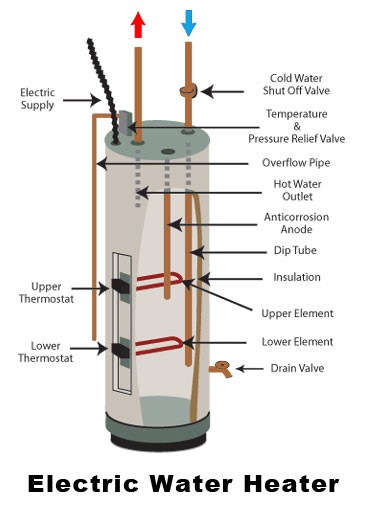
Yes, you can opt to install a heat pump water heater instead of an electric water heater. Heat pump water heaters are known for their energy efficiency as they harness heat from the air or ground to warm the water. They can often provide significant energy savings compared to traditional electric water heaters.
Benefits of installing a heat pump water heater:
- High energy efficiency and reduced electricity consumption
- Lower operating costs in the long run
- Environmental friendliness
- Ability to dehumidify and cool the surrounding air
However, before making the switch, it is essential to consider factors like upfront costs, available space, and compatibility with your existing plumbing system. Consulting a professional plumber or water heater specialist can help you determine if a heat pump water heater is the right choice for your specific needs.
10. Is it necessary to install a pressure relief valve on my water heater?
Installing a pressure relief valve (PRV) on your water heater is highly recommended. A PRV helps regulate and relieve excessive pressure within the water heater and the entire plumbing system. Without a functioning PRV, the increased pressure can lead to water heater malfunctions, leaks, or even explosions in severe cases.
Key reasons to install a pressure relief valve:
- Prevents overpressure situations
- Protects the water heater and plumbing system from damage
- Enhances safety by reducing the risk of a catastrophic failure
Consult a professional plumber or water heater technician to ensure proper installation and functionality of the pressure relief valve.
11. How can I improve the energy efficiency of my water heater?
To enhance the energy efficiency of your water heater and reduce utility costs, you can consider the following measures:
- Insulate the water heater tank and pipes to minimize heat loss
- Lower the thermostat settings to a reasonable and comfortable temperature
- Use less hot water through efficient water usage practices
- Regularly maintain and flush the water heater to remove sediment buildup
- Consider upgrading to a high-efficiency water heater, such as a heat pump or tankless model
Implementing these energy-saving strategies can contribute to both environmental sustainability and cost savings.
12. How much does it cost to repair a water heater?
The cost of repairing a water heater can vary depending on the specific issue, geographical location, and professional service fees. Minor repairs, such as replacing a faulty thermostat or heating element, may cost around $150 to $300. However, more significant repairs, such as fixing a leaking tank or replacing a control valve, can range from $500 to $1000 or more.
Factors influencing the repair cost:
- Type of water heater (electric, gas, tankless, heat pump, etc.)
- Extent and complexity of the problem
- Required replacement parts
- Service charges of the technician
It is recommended to obtain multiple quotes from reliable technicians and consider the overall condition, age, and efficiency of your water heater before making a repair versus replacement decision.
In conclusion, troubleshooting electric problems with water heaters is crucial for maintaining their optimal performance and ensuring a continuous supply of hot water. By addressing common issues such as lack of hot water, leaks, insufficient heating, and unusual noises, you can maximize the lifespan and efficiency of your water heater. However, for complex problems or if you are unsure about handling electrical components, it is always wise to seek professional assistance to avoid any safety hazards or further damage.